


Seidr and Mesa Work: Exploring Parallel Spiritual Practices of the Norse and Andean Traditions

Spiritual practices often reflect the deep connection between people and their environment, culture, and worldview. Two ancient traditions, Seidr from the Norse world and Mesa work from the Andean cultures, offer fascinating examples of how distant societies developed parallel methods for healing, divination, and connecting with the spiritual realm. Despite their geographic and cultural differences, these practices share striking similarities in purpose and technique. This post explores the core elements of Seidr and Mesa work, highlighting their unique features and common ground.

Understanding Seidr: The Norse Spiritual Practice
Seidr was a form of magic and shamanism practiced by the Norse people, particularly during the Viking Age. It involved trance states, prophecy, and communication with spirits. Practitioners, often women called völvas, used Seidr to influence fate, heal, and gain insight into hidden knowledge.
Key Features of Seidr
Trance and Ecstasy: Völvas entered altered states of consciousness through chanting, drumming, or ritualistic movements.
Spirit Communication: They connected with spirits or deities, such as Odin, to receive guidance or perform divination.
Healing and Protection: Seidr was used to heal physical and spiritual ailments and protect communities from harm.
Ritual Tools: Practitioners used staffs, runes, and sometimes animal bones to channel their power.
Seidr was both feared and respected. It challenged social norms because it involved manipulating fate and the unseen world. Despite this, it remained an essential part of Norse spirituality and shamans still practice Seidr today.
Mesa Work in Andean Traditions
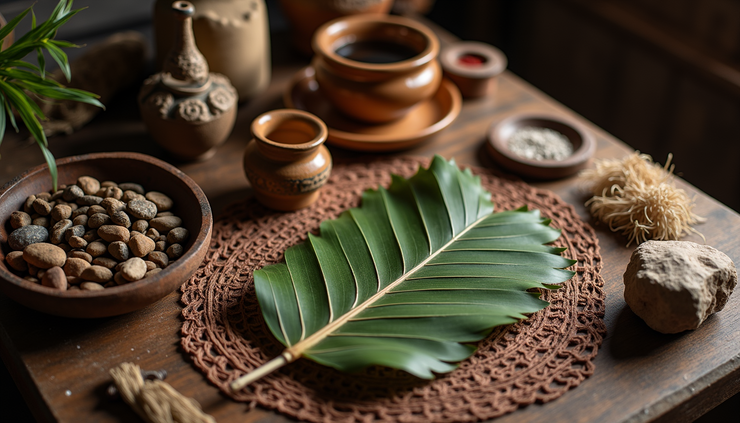
Mesa work is a central spiritual practice among Andean shamans, known as paqos or curanderos. The term "mesa" refers to the sacred altar or table where ritual objects are arranged. These objects include coca leaves, stones, feathers, and animal bones, each holding symbolic and energetic significance.
Core Aspects of Mesa Work
Connection with Pachamama: The Andean earth goddess Pachamama is central to mesa rituals, emphasizing harmony with nature.
Use of Plant Medicines: Coca leaves and other sacred plants are chewed or burned to facilitate communication with spirits.
Healing and Divination: Mesa work addresses physical, emotional, and spiritual imbalances through offerings and prayers.
Sacred Objects: The mesa is carefully prepared with items representing the four directions, elements, and ancestral spirits.
The practice is deeply rooted in community and ancestral knowledge, passed down through generations. It serves as a bridge between the material and spiritual worlds.
Parallels Between Seidr and Mesa Work
Despite their origins on opposite sides of the world, Seidr and Mesa work share several important parallels:
Altered States of Consciousness: Both practices rely on trance or focused awareness to access spiritual realms.
Spirit Communication: Practitioners serve as intermediaries between the human and spirit worlds.
Healing Focus: Both traditions use their rituals to heal individuals and communities.
Sacred Tools: Ritual objects play a crucial role in channeling spiritual energy and intention.
Respect for Nature: Both emphasise a deep connection to natural forces and ancestors.
These similarities suggest a universal human impulse to seek guidance and healing through ritual and connection with the unseen or spiritual.
Unique Cultural Expressions
While sharing common ground, Seidr and Mesa work also reflect their distinct cultural contexts.
Seidr’s Emphasis on Fate and Prophecy: Norse practitioners often sought to influence destiny and foresee future events, reflecting the Norse worldview of fate and honour.
Mesa’s Focus on Earth and Reciprocity: Andean rituals emphasise balance with Pachamama (Mother Earth) and reciprocal relationships with nature, mirroring the Andean cosmology of interconnectedness.
Understanding these differences enriches our appreciation of how spiritual practices adapt to cultural values and environments.

Practical Insights for Modern Seekers
Modern spiritual seekers can learn from both Seidr and Mesa work by:
Respecting Tradition: Approach these practices with humility and respect for their cultural origins.
Using Ritual Tools: Incorporate symbolic objects to focus intention during meditation or healing.
Exploring Altered States Safely: Use breathwork, drumming, or meditation to access deeper awareness.
Connecting with Nature: Foster a relationship with the natural world as a source of wisdom and healing.
Seeking Guidance: Learn from experienced practitioners or reliable sources to understand the depth of these traditions.
Both Seidr and Mesa work offer valuable frameworks for personal growth and spiritual connection.


Comments