


Exploring the Spiritual Practices and Beliefs of Native American Shamanism

Native American Shamanism offers a rich and profound spiritual tradition that has guided the Native American peoples for centuries. Rooted deeply in nature, healing, and connection with the spirit world, this practice remains a vital part of Native American culture today. Understanding Native American Shamanism reveals not only the spiritual beliefs of the Native Americans but also their worldview and relationship with the environment.

The Role of the Shaman in Native American Culture
In Native American society, the shaman, often called a medicine man or woman, holds a respected position. Their role goes beyond healing physical ailments; they serve as mediators between the human world and the spirit realm. Shamans are believed to possess the ability to communicate with spirits, interpret visions, and guide their community through spiritual challenges.
Responsibilities of a Native American Shaman
Healing the sick using herbal remedies and spiritual rituals
Conducting ceremonies to ensure harmony between people and nature
Offering guidance through dreams and visions
Protecting the community from negative spiritual influences
Shamans often undergo rigorous training, learning about medicinal plants, sacred songs, and ritual practices passed down through generations. Their knowledge is considered sacred and is shared carefully within the community.
Core Beliefs Underpinning Native American Shamanism
Native American Shamanism is grounded in a worldview that sees all life as interconnected. The spiritual realm is not separate but intertwined with the physical world. This belief shapes many of the practices and rituals performed by shamans.
Connection with Nature
Nature is sacred in Native American spirituality. Mountains, rivers, animals, and plants are seen as living beings with spirits. Trees are seen as ancestors. Shamans work to maintain balance and respect between humans and these natural forces.
Spirit Guides and Animal Totems
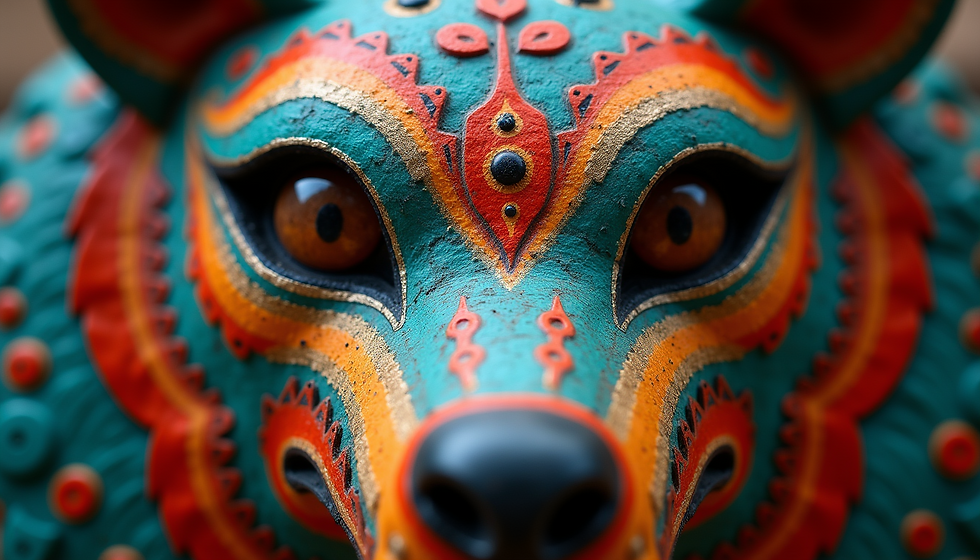
Shamans often receive guidance from spirit animals or totems. These animals serve as protectors and teachers for the shaman to help his or her tribe. For example, the wolf might symbolize loyalty and intuition, while the eagle represents vision and strength.
The Importance of Balance
Maintaining balance within oneself and the community is a central theme. Illness or misfortune is often viewed as a sign of imbalance, which shamans seek to restore through healing ceremonies.
Healing Practices and Rituals
Healing in Native American Shamanism combines physical remedies with spiritual work. Shamans use a variety of tools and methods to address illness and restore harmony.
Herbal Medicine
Native American shamans have extensive knowledge of local plants and their healing properties. They prepare teas, poultices, and salves to treat various ailments. For example, willow bark has been used for pain relief, while echinacea supports the immune system.
Ceremonial Rituals
Healing ceremonies often involve chanting, drumming, and the use of sacred objects such as feathers, stones, and medicine bundles. These rituals aim to call upon spirits for assistance to cleanse negative energies.
Vision Quests
Some shamans undertake vision quests, spending time alone in nature to seek spiritual guidance. These quests help them gain insight into healing methods or community issues.
The Medicine Bundle: A Sacred Symbol
The medicine bundle is a key element in Native American Shamanism. It contains sacred items that hold spiritual power and personal significance for the shaman.
Contents of a Medicine Bundle
Feathers from specific birds
Stones or crystals
Herbs and roots
Small carved figures or symbols
Each item is carefully chosen and blessed. The bundle serves as a source of strength and protection during ceremonies and healing sessions.
Contemporary Practice and Preservation
Despite historical challenges, including forced relocation and cultural suppression, Native American Shamanism continues to thrive. Many Native American people actively preserve these traditions, blending them with modern life.
Cultural Revitalization Efforts
Workshops and classes teaching traditional healing and ceremonies
Community gatherings to share stories and songs
Collaboration with elders to document spiritual knowledge
These efforts help keep Native American Shamanism alive and accessible to new generations.
Respect and Sensitivity
It is important to approach Native American Shamanism with respect. Many practices are sacred and not meant for public display or casual use. Learning from authentic sources and honouring the culture is essential.
Practical Lessons from Native American Shamanism
The spiritual practices of Native American shamans offer valuable lessons for anyone interested in healing, nature, and balance.
Respect for nature encourages sustainable living and environmental care.
Holistic healing reminds us to consider mind, body, and spirit together.
Community focus highlights the importance of support and connection.
Mindfulness and balance promote mental and emotional well-being.
There is much we can learn from these powerful sources of wisdom and guidance. These principles can inspire personal growth and a deeper connection to the world around us.

Comments